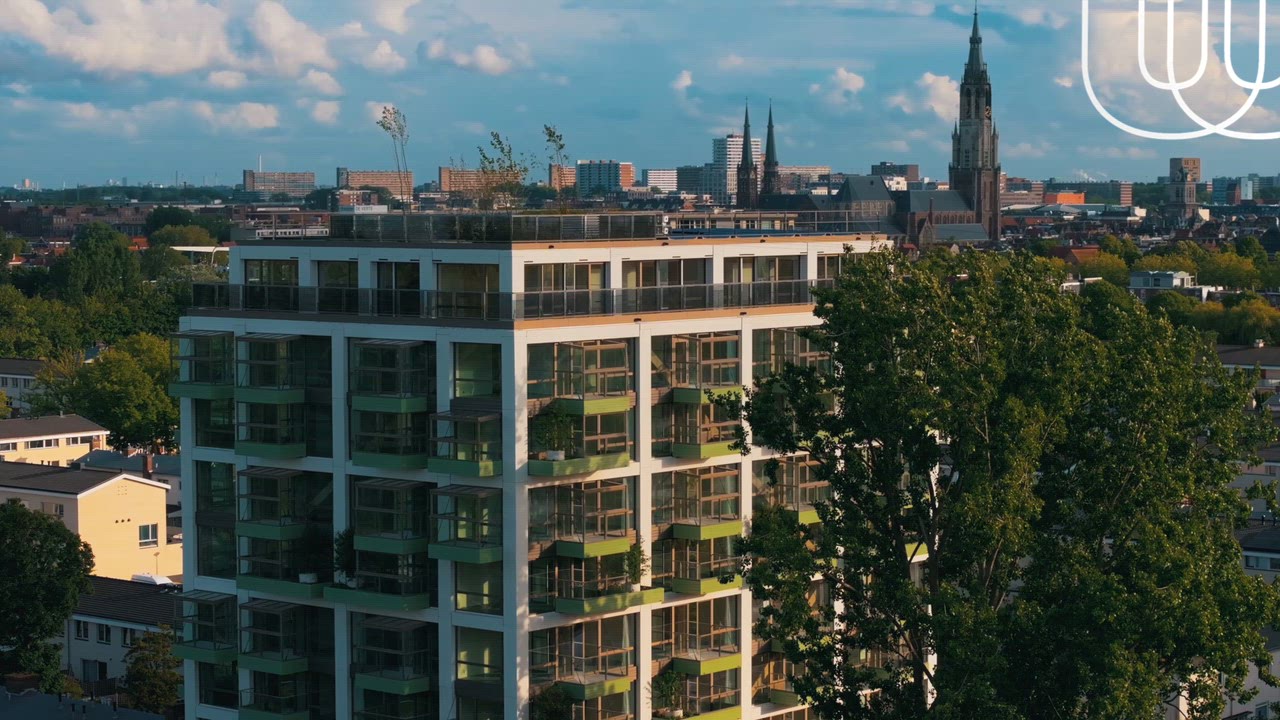
150 Millennials from 40 Countries Embrace a New Way of Renting in Delft
Sustainable high-tech living meets the needs of our time.
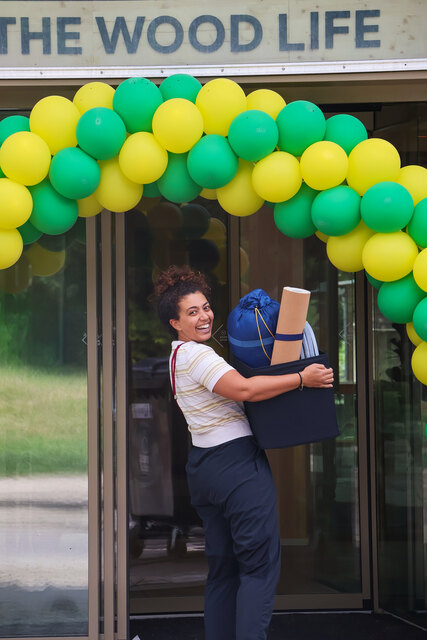
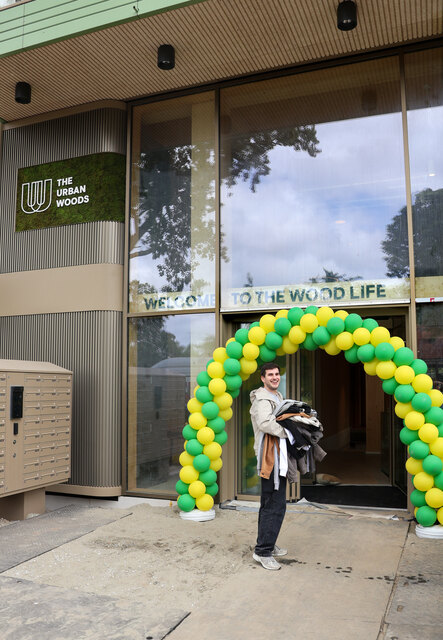
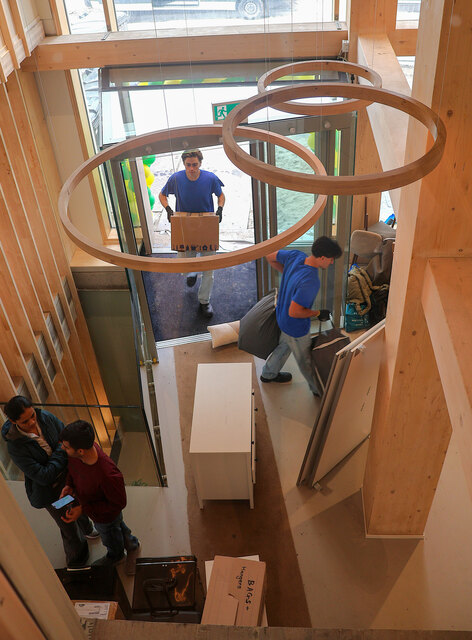
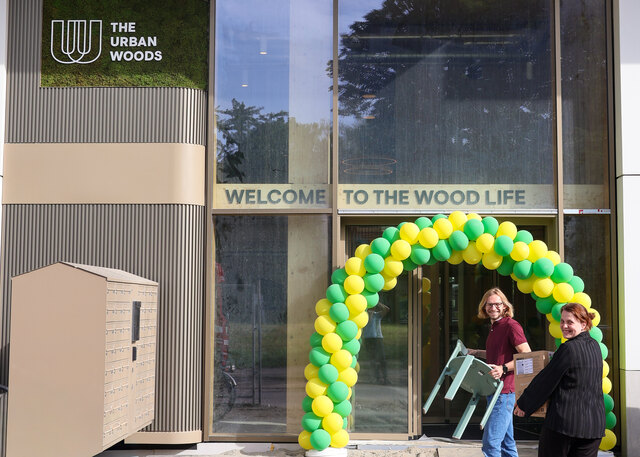
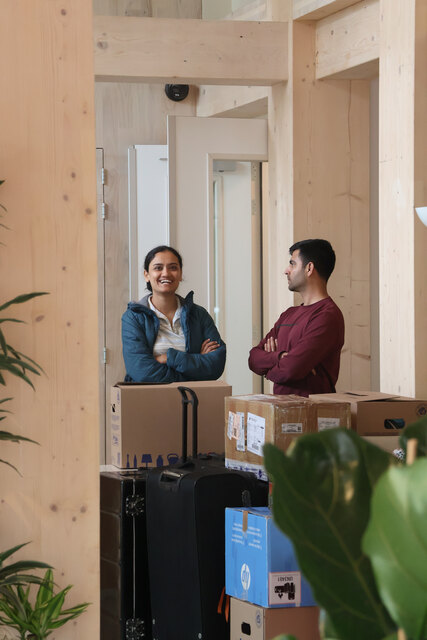
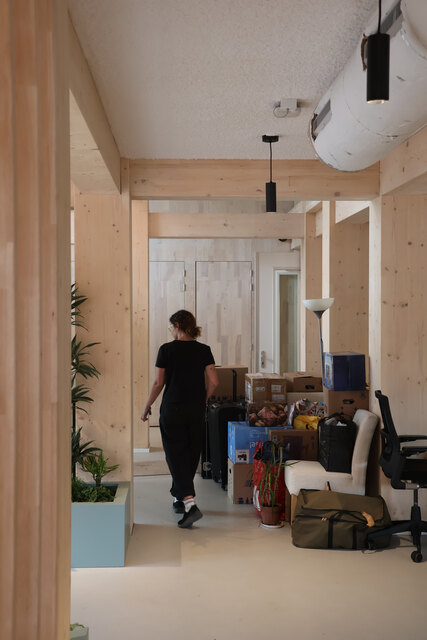
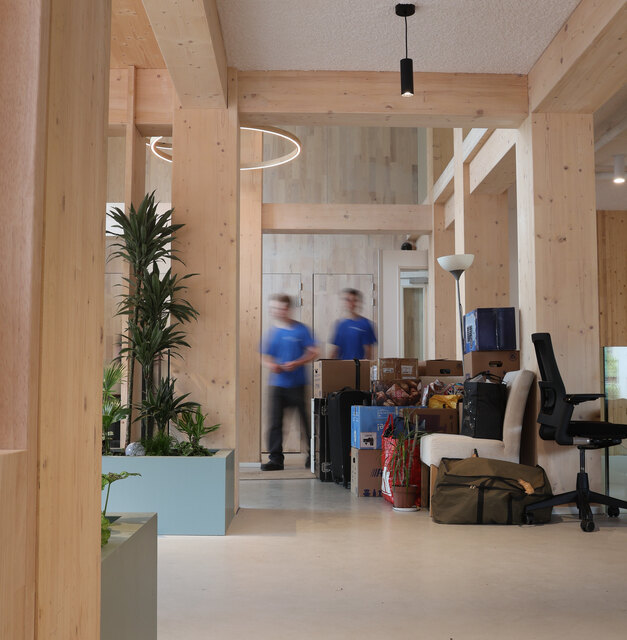
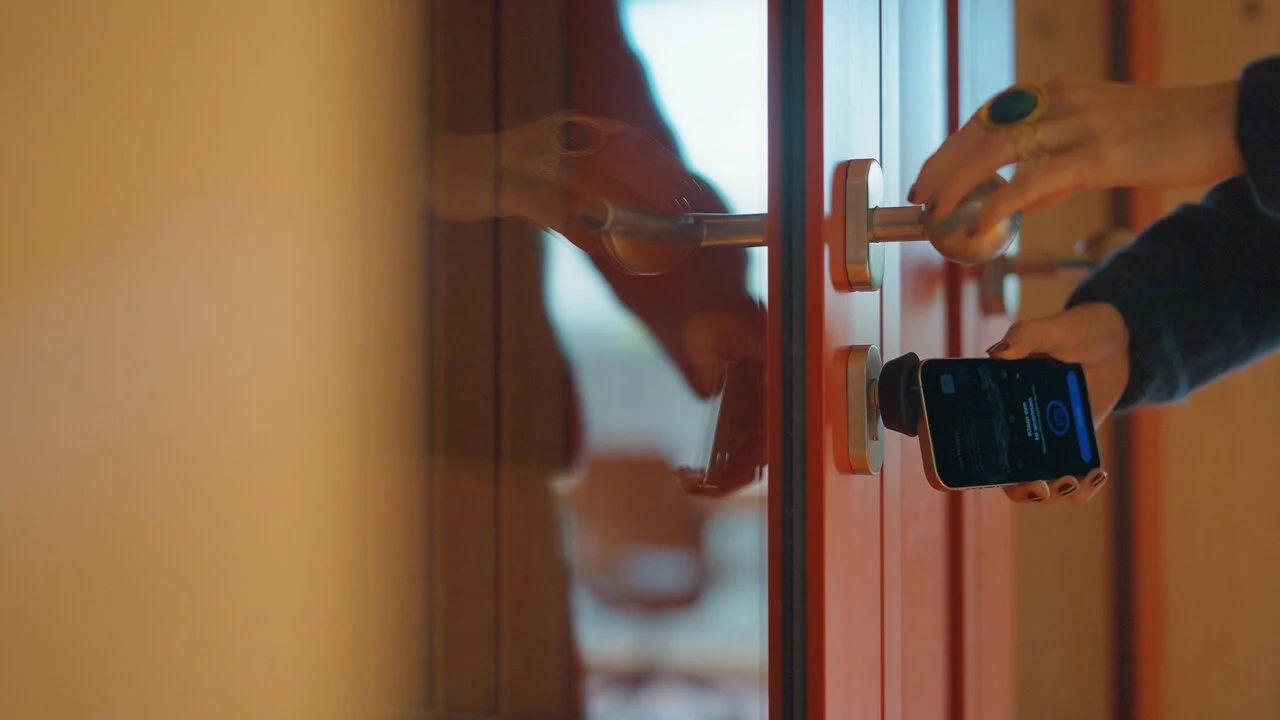
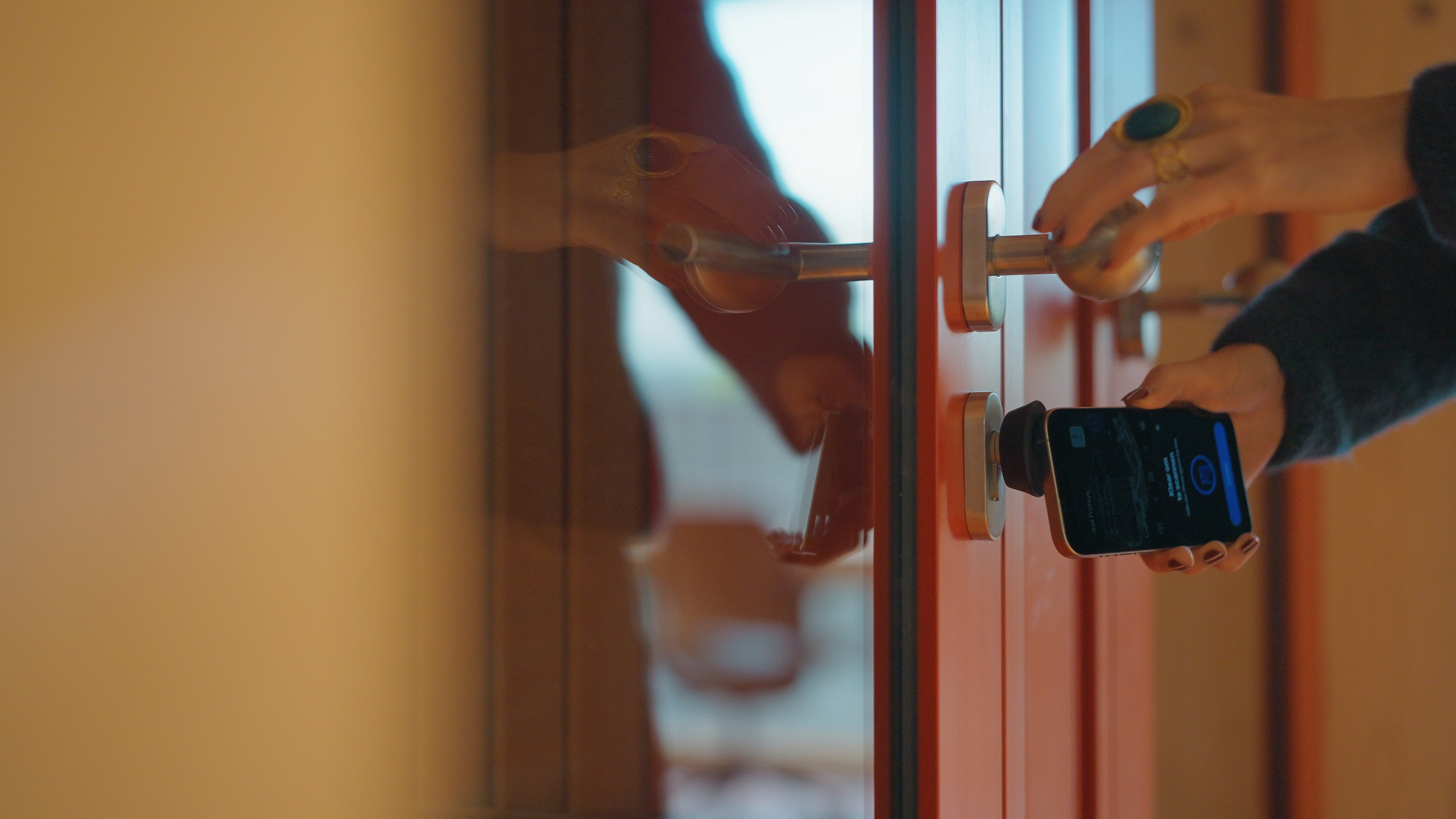
Today, 150 residents from over 40 countries moved into The Urban Woods Delft. With their phones, they unlocked the doors to their new wooden high-tech homes. This new housing concept combines sustainable living, shared amenities, community, and flexible add-on subscriptions into one integrated living environment.
Housing that meets society's needs
Cities are becoming more crowded, yet citizens feel isolated more often. Homes are getting smaller, while the work-from-home trend requires more space. At the same time, many renters are stuck in houses that don't adapt to their dynamic lifestyles. The Urban Woods are developed as a response to societal shifts that traditional rental models no longer address.
Traditional renting is outdated.
Tim Vermeend, co-founder and architect
jpg
jpg
jpg
jpg
Adaptable subscriptions and modular layouts
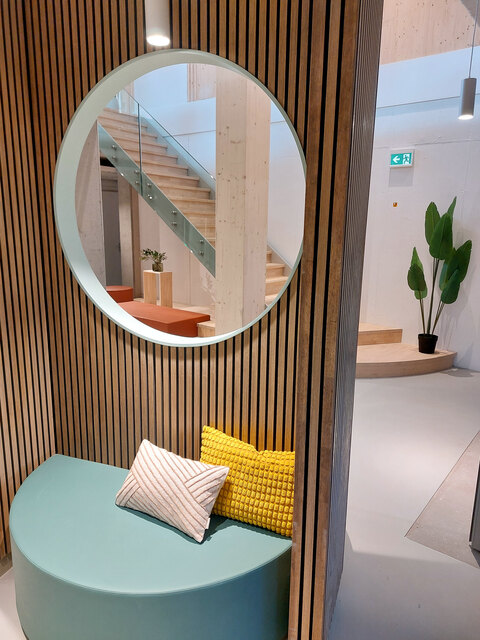
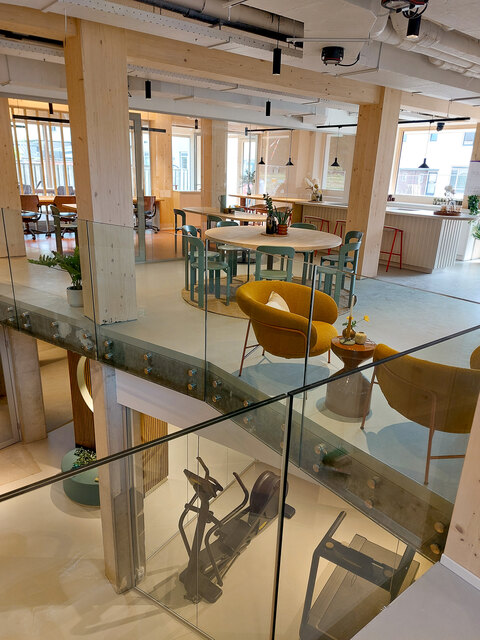
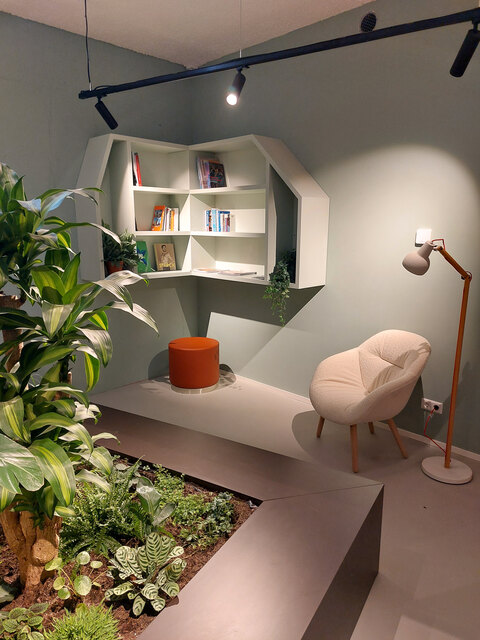
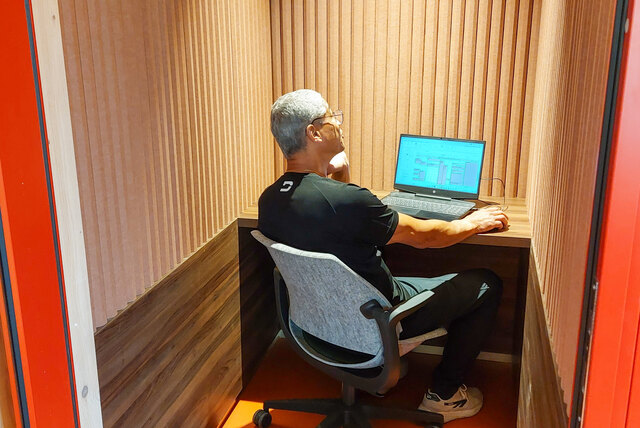
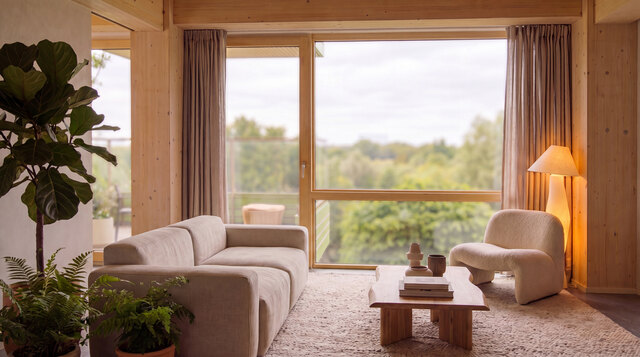
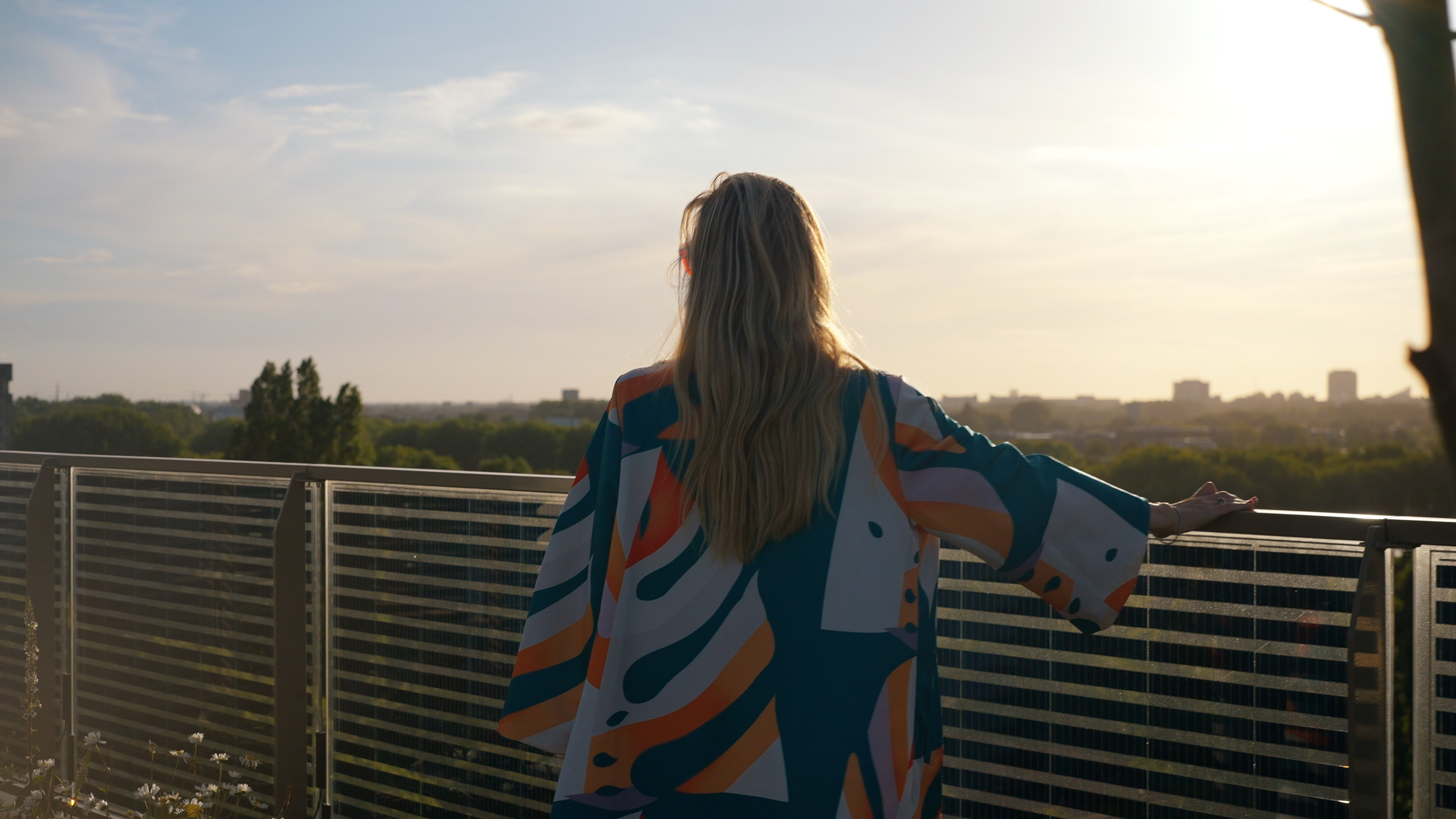
Adaptable subscriptions and modular layouts replace the traditional static function of housing. Coworking spaces support remote working. Abundant greenery, bright wood, calming interiors, and good service help reduce stress. Shared living areas and community events are designed to combat loneliness. “This housing concept aligns with the way people live today. Traditional renting is outdated.” says co-founder and architect Tim Vermeend. “Polarization, housing shortages, climate change... we see housing as a key driver of multi-impact.”
Renting a home with the luxury of a hotel
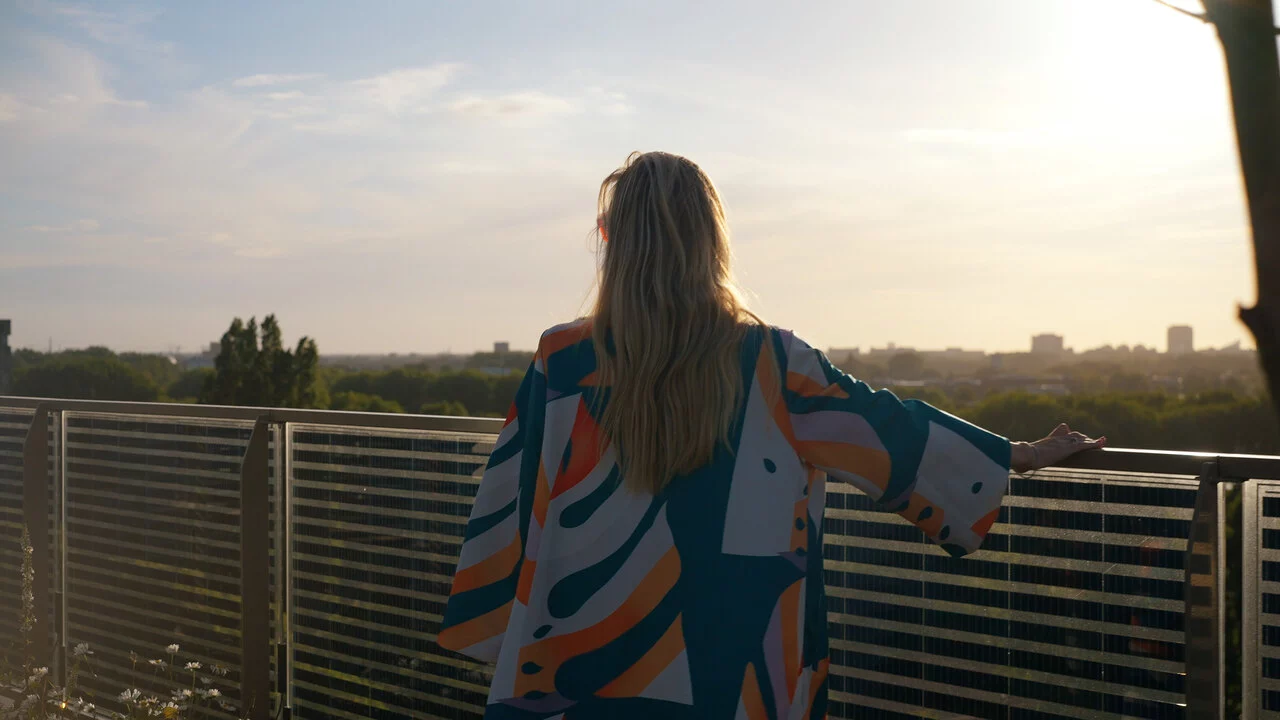
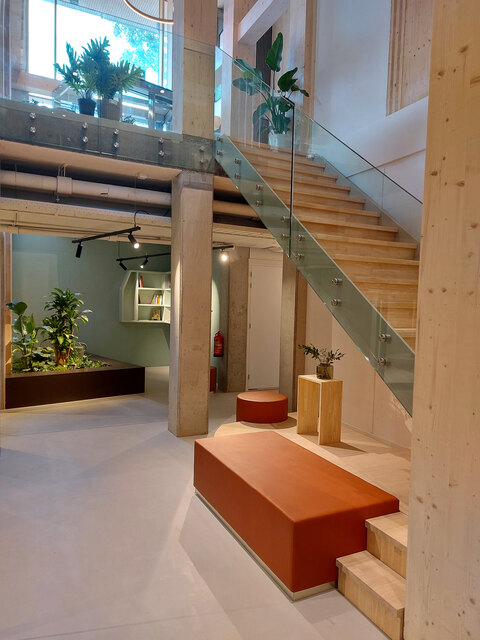
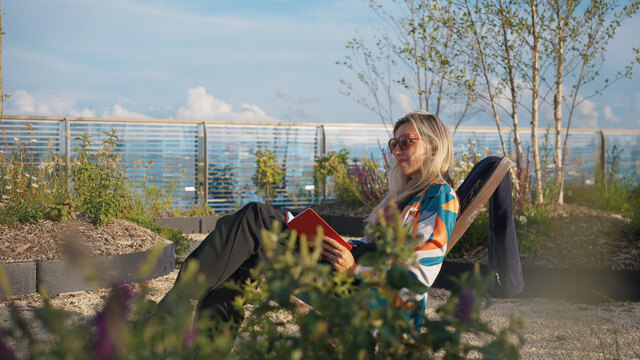
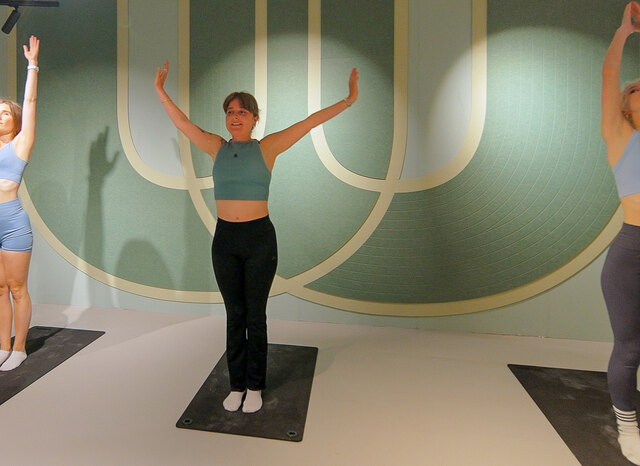
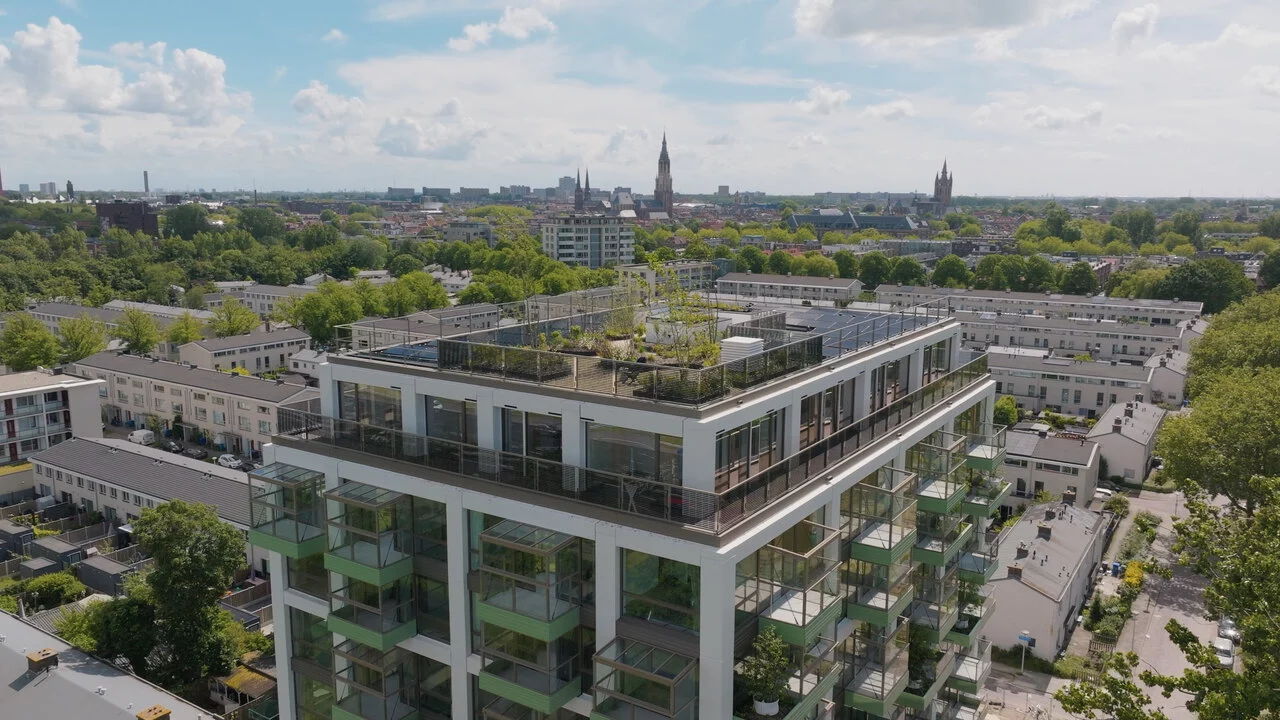
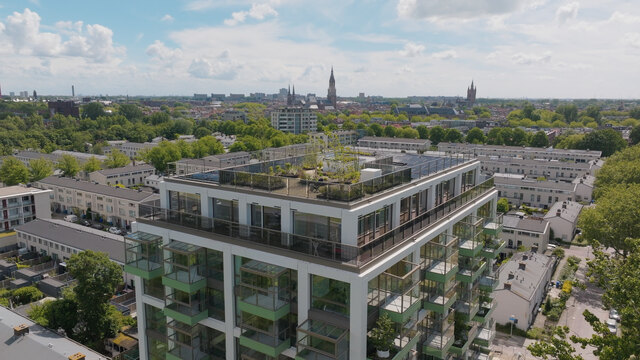
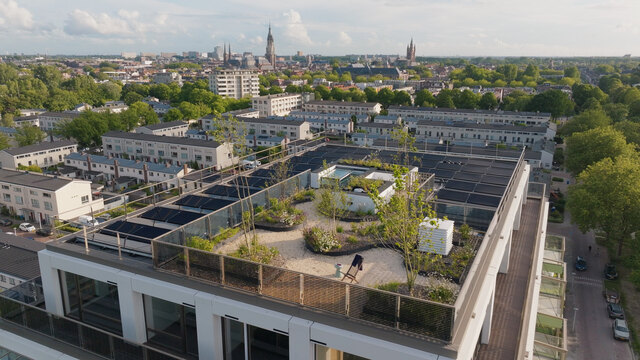
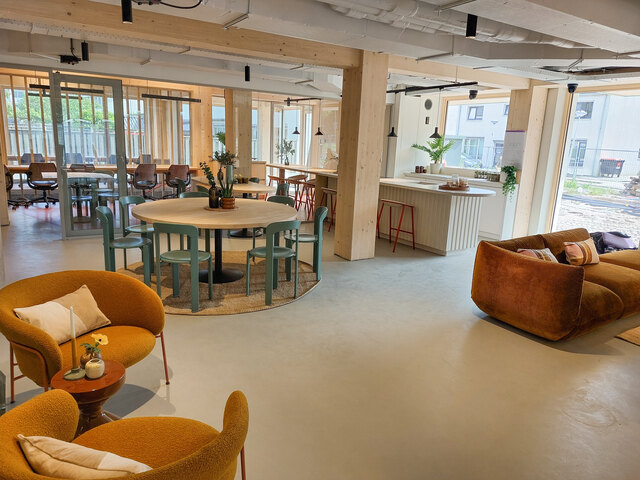
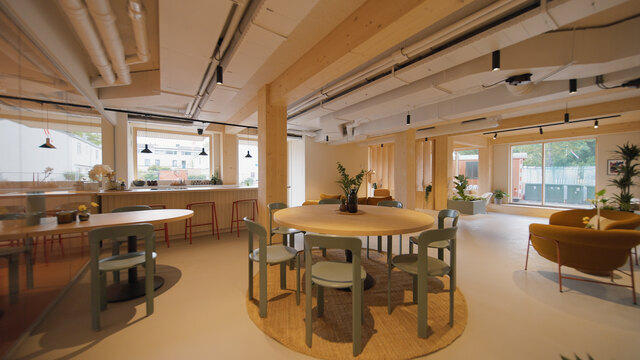
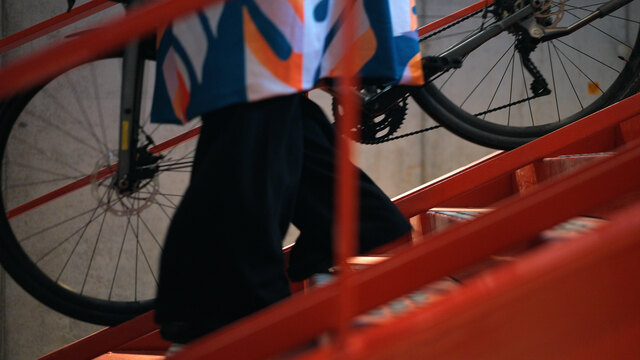
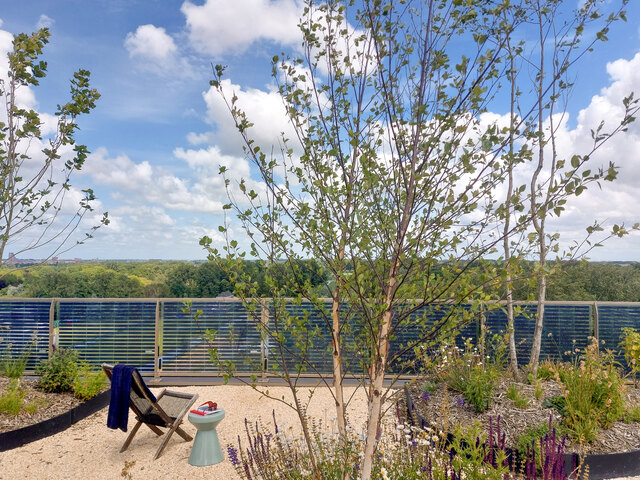
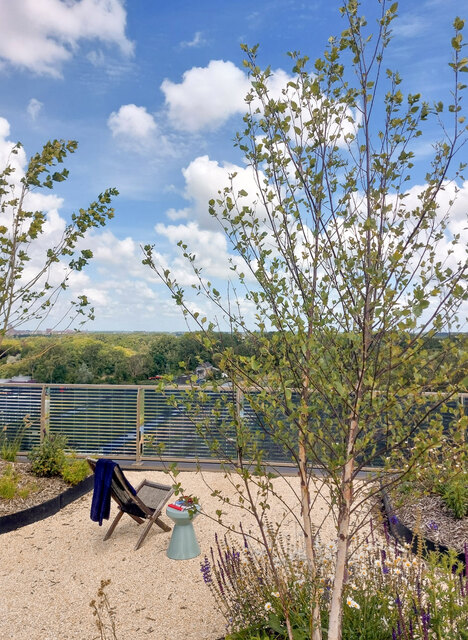
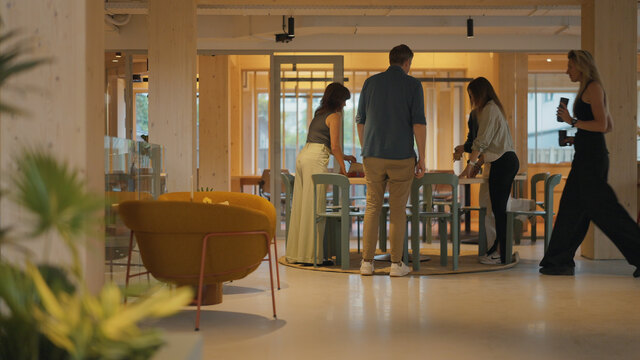
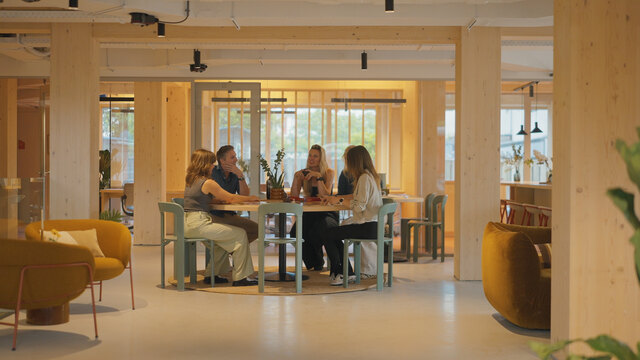
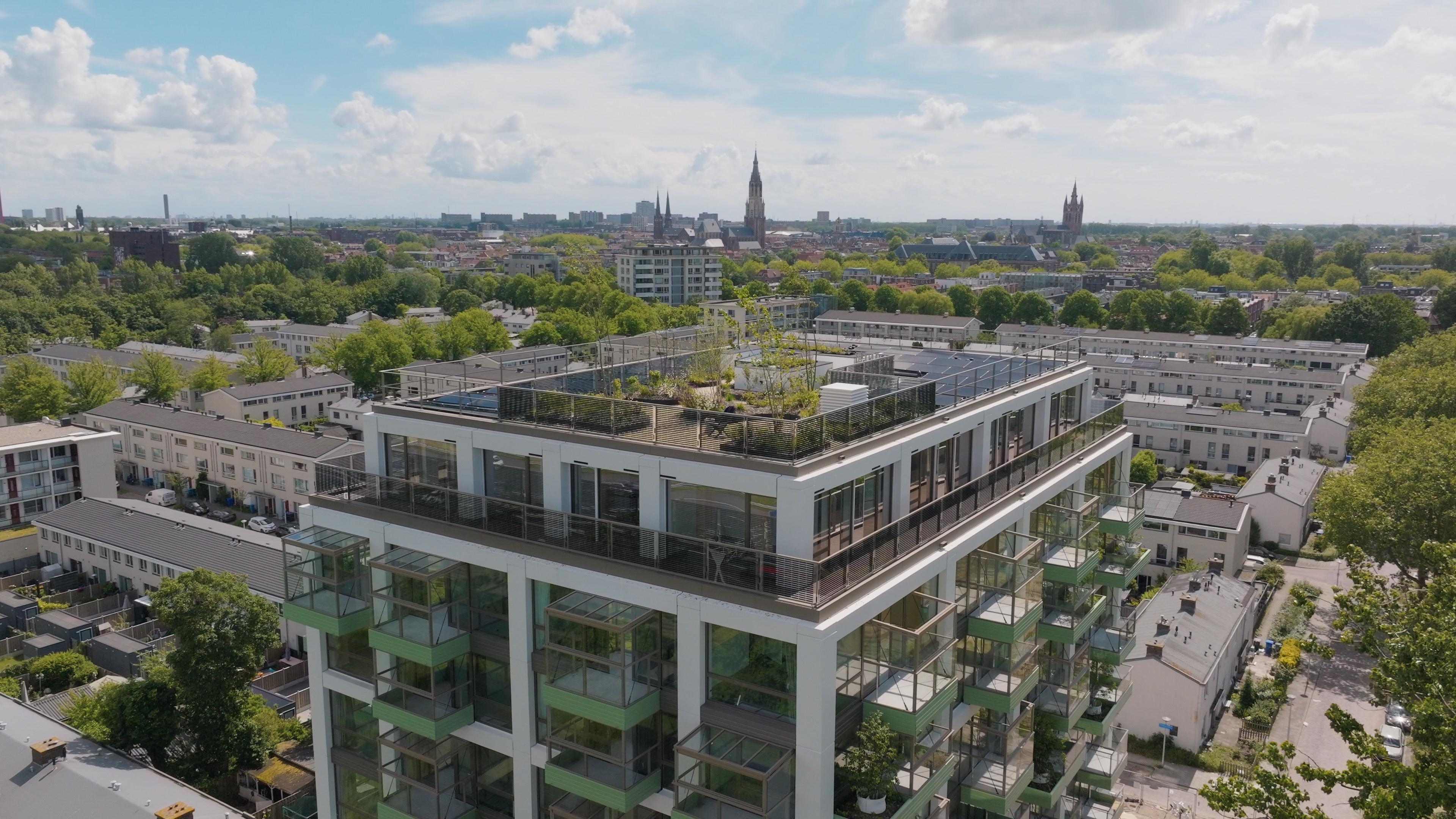
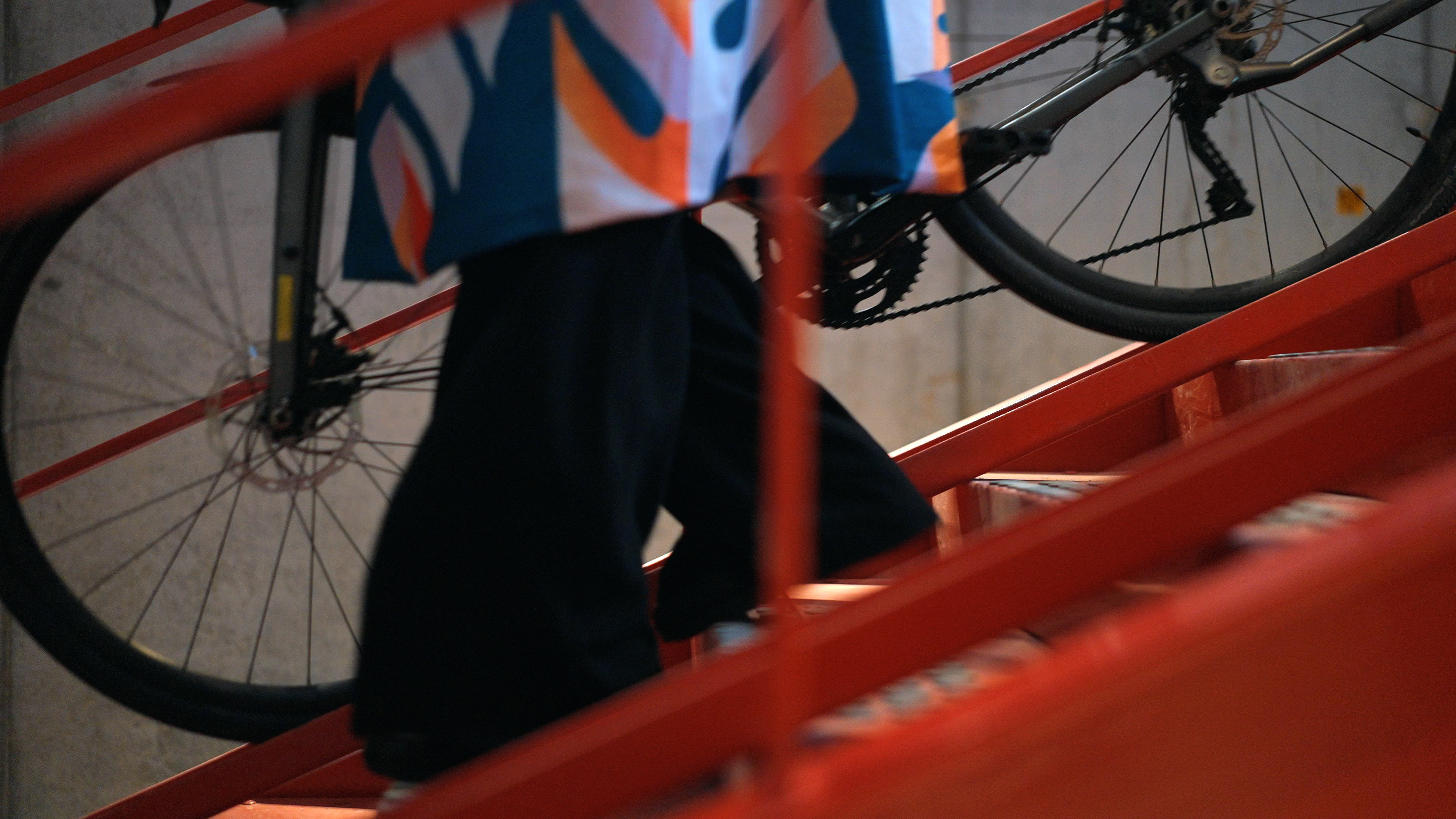
The new way of renting combines approximately mid-market high-rise rental apartments with 350 m² of shared spaces. Residents have access to amenities typically found only in high-end homes or luxury hotels. They have a private apartment while sharing facilities such as a gym, rooftop garden, coffee corner, lounge areas, and laundry facilities. In addition, residents can customize their subscription on demand with add-ons such as cleaning services, an e-bike, office space, guest rooms, or additional storage. According to the founders, this new approach reflects the needs of a generation that values flexibility, connection, and convenience.
jpg
jpg
jpg
jpg
I was literally missing the sky and a connection to nature.
Sherine El-Wattar, resident
Building a community, even before moving in
Even before the building was finished, a vibrant community began to take shape. The local neighborhood was closely involved in the process, and the first residents already gathered before moving in. Sherine El-Wattar is one of the pioneers. “I was literally missing the sky and a connection to nature.” she says. “I lived in the city but barely knew my neighbors. In here it feels human and open. I can live sustainably guilt-free, in beautiful design. It aligns with what I stand for. That matters.”
jpg
jpg
jpg
jpg
It aligns with what I stand for. That matters.
Sherine El-Wattar, resident
Designed to meet your neighbors
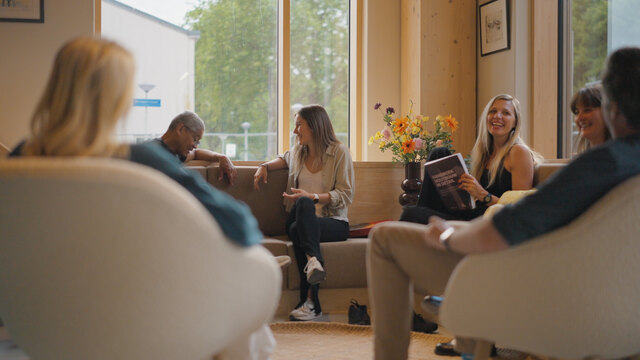
While privacy and peace remain essential, connection is equally important in this living concept. Residents share amenities, meet in communal spaces, and become part of a community where meaningful interactions can emerge naturally. The building is designed to encourage spontaneous interaction. Common areas form the heart of the building, while the residential floors allow privacy and personal space. "Combining metropolitan high-rise living with a sense of familiarity. That’s something new." says Vermeend.
Combining metropolitan high-rise living with a sense of familiarity. That’s something new.
Tim Vermeend, co-founder and architect
Digitalization for a better living experience
The building is fully digitally integrated. Through the specially developed WoodsApp, residents can manage their subscription, activate additional services or spaces, join events, and monitor their energy use. The app also functions as a digital key and intercom system. “The housing sector had barely been digitized. There were so many opportunities,” says founder Sebastian Monteban, who invested ten million euros into the concept. "Technology can improve the living experience ánd make consumption more sustainable."
Technology can improve the living experience ánd make consumption more sustainable.
Sebastian Monteban, co-founder and CEO
Tallest wooden housing, from pallet to palace
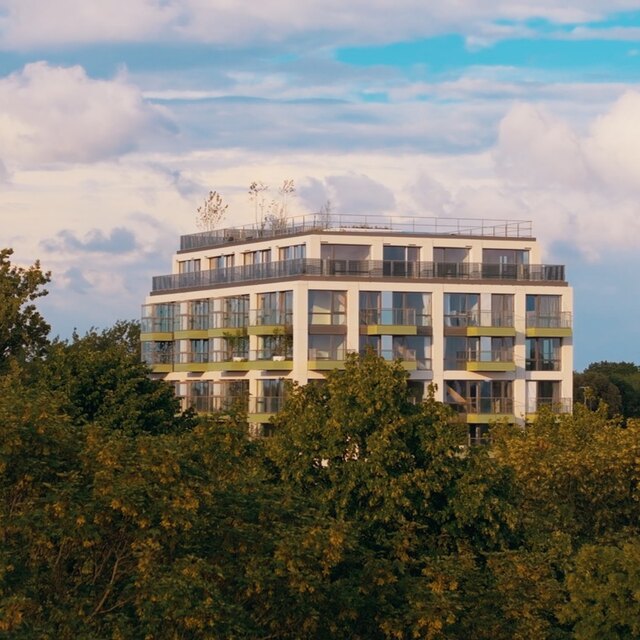
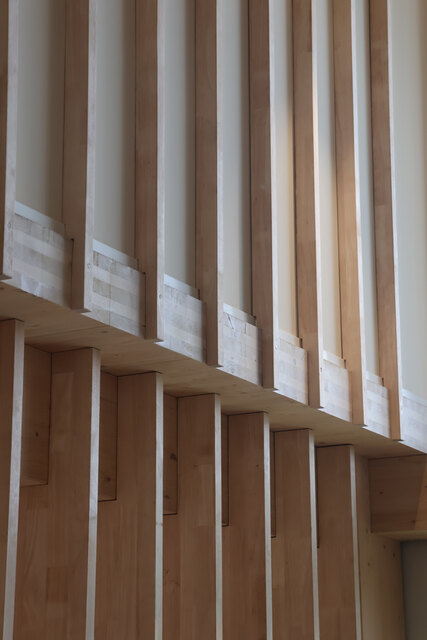
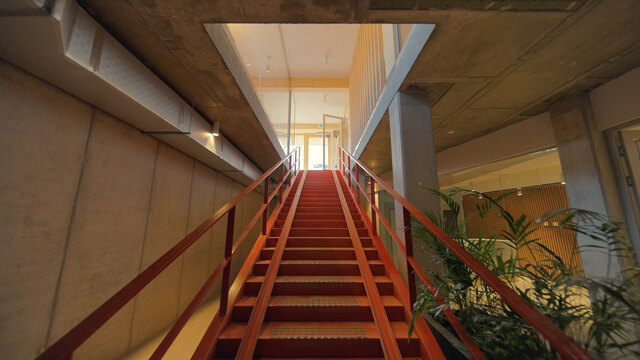
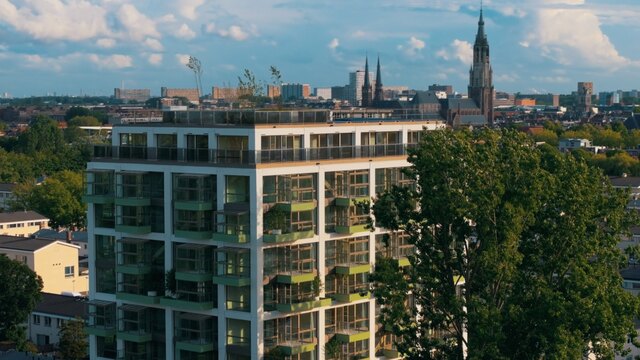
What makes The Urban Woods Delft technically remarkable is that it is one of the most innovative residential buildings in the Netherlands. The project is the tallest wooden residential building in the country without a concrete core — even the elevator shaft is constructed from timber. It is also the world’s first building to incorporate a small-scale application of Circular-CLT (C-CLT): timber panels made from demolition wood and reclaimed pallets. The energy-neutral building creates a healthy living environment, is 85% reusable, and can be constructed 30% faster than traditional buildings.
jpg
Deventer, Amsterdam, Zwolle and Groningen
Deventer will be the second location, with further plans in other cities. “We see our hubs as bridges to better cities. Each new location must be better than the last; that’s the only way we can move the sector forward.” says Monteban. “We continuously measure data and actively listen to feedback from the residents." The Urban Woods employees — called rangers — even have their offices inside the building. This allows them to be part of the community and maintain short lines of communication. "Together, we are building the world we would like to live in. We turn this country into Woods!”
With the placement of the first column beam, construction has officially begun on an iconic project that is rapidly paving the way for large-scale, sustainable high-rise construction. “What we see ...
Up-cycled wood used in the building industry. "Around 1 million pallets are thrown away. They can now be used to build great projects. We invite the world to copy us"